How to Clean an Oven
Use a low-fume oven cleaning method that loosens baked-on grease overnight and finishes with a full rinse.
Written by
How To Clean Guides Editorial Team
Research, writing, and content updates
Reviewed by
Household Care Review Desk
Safety and method review
Last reviewed
Mar 29, 2026
Updated Apr 5, 2026
Introduction
A dirty oven smokes during preheat and keeps old spills smelling every time you cook. This guide uses a low-fume baking soda method that works well for standard home ovens when you want a safer routine than aerosol cleaner.
Before You Start
- Make sure the oven is completely cool before you start.
- If your oven manual warns against wet cleaning near a certain feature, follow the manual over this guide.
- Remove or cover anything stored in the drawer below the oven if fumes or drips could reach it.
What You'll Need
- Baking soda
- Warm water
- White vinegar in a spray bottle
- Microfiber cloths
- Non-scratch scrub pad
- Trash bag or sink space for oven racks
Step-by-Step Guide
Step 1
Remove racks and dry debris first
Take out the racks, brush out loose crumbs, and wipe away dry ash so the paste can reach greasy spots instead of turning dust into sludge.
Step 2
Spread a baking soda paste over greasy areas
Mix baking soda with just enough water to make a spreadable paste, then cover the oven floor, side walls, and door interior while avoiding exposed heating elements.
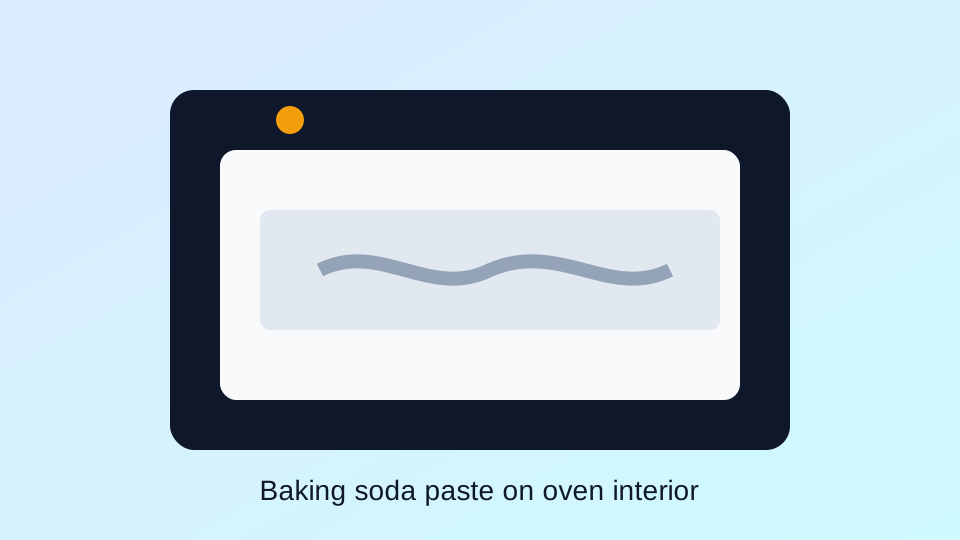
Coat the residue, not the heating elements. Step 3
Let the paste sit, then lift the softened residue
Leave the paste in place for 8 to 12 hours so it can soften grease. Wipe off the bulk with damp cloths before using a scrub pad on remaining hot spots.
Step 4
Spray vinegar, rinse twice, and dry
Mist the remaining paste with vinegar, wipe again, and do a full clean-water rinse so white residue does not bake onto the next preheat.
Why This Method Works / How We Tested
- This method follows a standard low-fume baking soda workflow used for enamel oven interiors.
- The full-rinse step is emphasized because leftover baking soda streaks are a common reason a cleaned oven still smokes afterward.
- We treat oven racks separately so the main cavity can be cleaned without re-spreading grease.
Method Notes
Pick the gentlest oven-cleaning approach that still solves the mess
| Use case | Best for | Avoid if |
|---|---|---|
| Routine grease and brown residue | Overnight baking soda paste plus rinse | You need a same-hour result |
| Fresh spill that has not carbonized | Warm water wipe plus spot paste | The spill is already black and hardened |
| Extreme neglect with thick carbon buildup | Multiple gentle passes instead of one aggressive scrape | You are tempted to gouge the enamel with metal tools |
Safety Notes
- Do not apply paste directly to exposed heating elements or gas ports.
- Keep the room ventilated while using vinegar in an enclosed kitchen.
- Avoid metal scrapers unless your oven manufacturer explicitly allows them.
When Not to Use This Method
- Skip this method if your manual says the interior coating should only be cleaned with the self-clean cycle.
- Do not use it on a warm oven or on cracked enamel.
Tips
- Line the area under the door with an old towel before wiping out heavy paste.
- Use warm water on rinse cloths so the paste releases faster.
- Run a short empty heat cycle only after the interior is fully dry.
Common Mistakes
- Using too much water in the paste, which makes it slide off vertical walls.
- Trying to scrub before the paste has had time to soften the grease.
- Skipping the final rinse and then wondering why the oven still smells chalky.
FAQs
How often should you deep-clean an oven?
For average home cooking, every 2 to 3 months is a practical deep-clean interval, with quick spot cleaning in between.
Can you clean an oven with only vinegar?
Vinegar helps rinse residue, but it is usually not enough by itself for baked-on grease.
Related Guides
Steam the mess loose, wipe it in one pass, and avoid harsh products that leave a food-zone smell behind.
Clean the filter, door gasket, and interior in the right order so the machine smells better and washes more reliably.
Clean with the grain, control water spots, and restore shine without scratching the sink surface.
Browse more in Kitchen cleaning guides.
Sources & Disclosure
- Whirlpool: Clean Your Oven Naturally: Reference for rinse-first, low-fume home cleaning workflow.
- Arm & Hammer Baking Soda Uses: Reference for baking soda paste application and dwell time.
AI status: AI may assist with outlining or drafting, but every published guide is reviewed and edited by a human before it goes live.